Do Dogs Need Backpacks for Hiking? Pros and Cons Explained
Hiking with your dog can transform a simple walk into an exciting adventure. Dogs thrive when they can explore new environments, smell unfamiliar scents, and stay physically active alongside their owners. As outdoor activities with dogs become more popular, many hikers are starting to consider whether their dogs should carry some of their own gear.
One piece of equipment that often raises questions is the dog backpack for hiking. These backpacks allow dogs to carry small items during a hike, such as water, treats, or waste bags. Some dog owners see them as a great way to give their dog a purpose on the trail, while others wonder if they are really necessary.
Understanding the advantages and potential drawbacks of a dog backpack for hiking can help you decide whether it’s the right choice for your outdoor adventures.
What Is a Dog Backpack for Hiking?
A dog backpack for hiking is a specially designed harness with small saddle bags attached to each side. These backpacks are built to sit comfortably on a dog’s body while distributing weight evenly across their shoulders and chest.
Unlike regular harnesses, dog backpacks allow your dog to carry lightweight supplies during hikes. Common items placed in these packs include collapsible water bowls, treats, waste bags, and sometimes small first aid items.
The goal is not to overload your dog but rather to allow them to contribute in a small way during the adventure. Many active dogs enjoy having a job to do, and carrying a backpack can provide both physical exercise and mental stimulation.


Why Some Dogs Enjoy Carrying Backpacks
Dogs are naturally working animals. Many breeds were originally developed to perform tasks such as herding, guarding, or assisting humans with daily activities. Because of this instinct, some dogs enjoy having a purpose during outdoor activities.
A dog backpack for hiking can give your dog a simple job to do while walking on the trail. Carrying lightweight items can provide mental engagement and help energetic dogs focus during longer hikes.
Some owners also find that a backpack slightly slows down very energetic dogs, helping maintain a more consistent hiking pace. For certain breeds with high energy levels, this added activity can be beneficial.
However, it’s important to introduce a backpack gradually so your dog becomes comfortable with the new gear.
Benefits of Using a Dog Backpack for Hiking
One of the biggest benefits of a dog backpack for hiking is convenience. Hiking often requires carrying several small items for your dog, including water bowls, snacks, and waste bags. Allowing your dog to carry some of these items can reduce the amount you need to carry yourself.
Another benefit is physical exercise. Carrying a light load can increase the physical challenge of a hike for active dogs. This added effort may help burn extra energy, especially for high-energy breeds that require plenty of stimulation.
Dog backpacks can also improve organization during hikes. Instead of searching through your own backpack for dog supplies, you can easily access them from your dog’s pack.
For many outdoor enthusiasts, these practical advantages make a dog backpack for hiking a valuable addition to their gear.
Safety Considerations When Using a Dog Backpack
Although dog backpacks can be useful, they must be used responsibly. The most important rule is never to overload your dog.
Most experts recommend that a dog carry only a small percentage of their body weight in a backpack. The exact amount depends on the dog’s size, age, and physical condition. Dogs that are still growing, elderly dogs, or dogs with health conditions should not carry extra weight.
Proper fit is also extremely important. A poorly fitted backpack may rub against your dog’s skin or shift while they walk, causing discomfort or irritation during the hike.
When selecting a dog backpack for hiking, look for adjustable straps, padded harness sections, and breathable materials that help distribute weight evenly.
Introducing Your Dog to a Backpack
Not every dog immediately feels comfortable wearing a backpack. It’s important to introduce the equipment slowly so your dog can adapt to it.
Start by allowing your dog to wear the backpack without any weight during short walks. This helps them become familiar with how the pack feels. Once they appear comfortable, you can begin adding very light items.
Gradually increase the load only if your dog seems comfortable and energetic during walks. If your dog shows signs of discomfort or fatigue, reduce the weight or remove the pack entirely.
Patience during this introduction period will help ensure your dog has a positive experience with their dog backpack for hiking.


Situations Where a Dog Backpack Is Useful
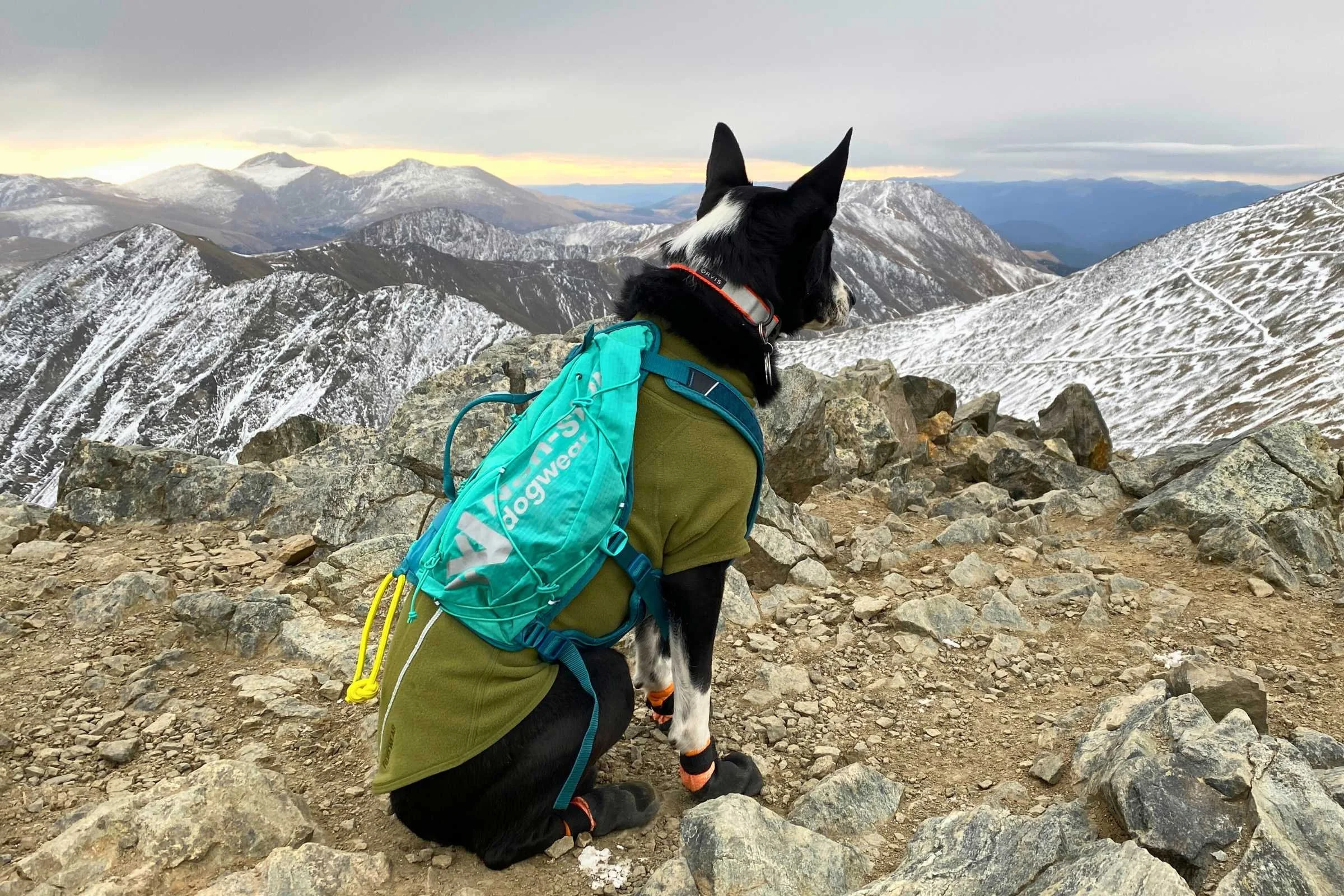
A dog backpack for hiking can be particularly useful during longer outdoor trips. Day hikes that require carrying extra water, treats, or supplies can benefit from the extra storage space provided by the backpack.
Camping trips are another situation where dog backpacks can be helpful. Dogs may carry small items such as collapsible bowls or lightweight food portions for the day.
For experienced hiking dogs that are physically fit, backpacks can also provide additional exercise and engagement during the adventure.
However, it’s always important to prioritize your dog’s comfort over convenience.
Situations Where a Backpack May Not Be Necessary
While many dogs enjoy carrying backpacks, they are not essential for every hike. Short walks or easy trails may not require additional gear.
Some dogs may simply not enjoy wearing a backpack, even after gradual introduction. In these cases, forcing your dog to wear one may cause unnecessary stress.
Very hot weather can also make backpacks less suitable. Carrying extra weight may increase your dog’s body temperature during warm conditions, which could lead to overheating.
When deciding whether to use a dog backpack for hiking, consider both the environment and your dog’s comfort level.
Choosing the Right Dog Backpack for Hiking
If you decide that a backpack is right for your dog, choosing the correct design is important. A good dog backpack for hiking should include padded harness sections that protect your dog’s chest and shoulders.
Adjustable straps allow the pack to fit securely without restricting movement. Even weight distribution is another key feature, as this prevents strain on your dog’s body during longer hikes.
Durable materials are also important since hiking environments can involve mud, rocks, and rough terrain. Strong stitching and secure zippers help ensure the backpack remains reliable throughout your outdoor adventures.
Selecting a well-designed backpack helps maximize comfort and safety for your dog.


Monitoring Your Dog During the Hike
Even with the right equipment, it’s important to monitor your dog during the hike. Watch for signs of fatigue, overheating, or discomfort.
Dogs that are carrying backpacks may tire more quickly than usual. Taking regular breaks and providing water helps keep your dog comfortable throughout the hike.
Checking the backpack periodically is also helpful. Adjusting straps or redistributing weight can prevent rubbing or shifting as your dog moves.
Being attentive during the hike ensures your dog remains safe while using their dog backpack for hiking.
Final Thoughts
A dog backpack for hiking can be a useful and enjoyable piece of equipment for active dogs. When used properly, it allows dogs to carry small supplies, stay engaged during the hike, and participate more fully in the adventure.
However, backpacks are not necessary for every dog or every trail. The decision should always be based on your dog’s comfort, health, and activity level.
Introducing the backpack gradually, keeping the load light, and choosing a well-designed harness pack are the most important steps for success.
With the right approach, a dog backpack for hiking can turn outdoor adventures into an even more rewarding experience for both you and your dog. If you would like to see some of our recommendations, then please do follow this link!